New Doors · Moore Park
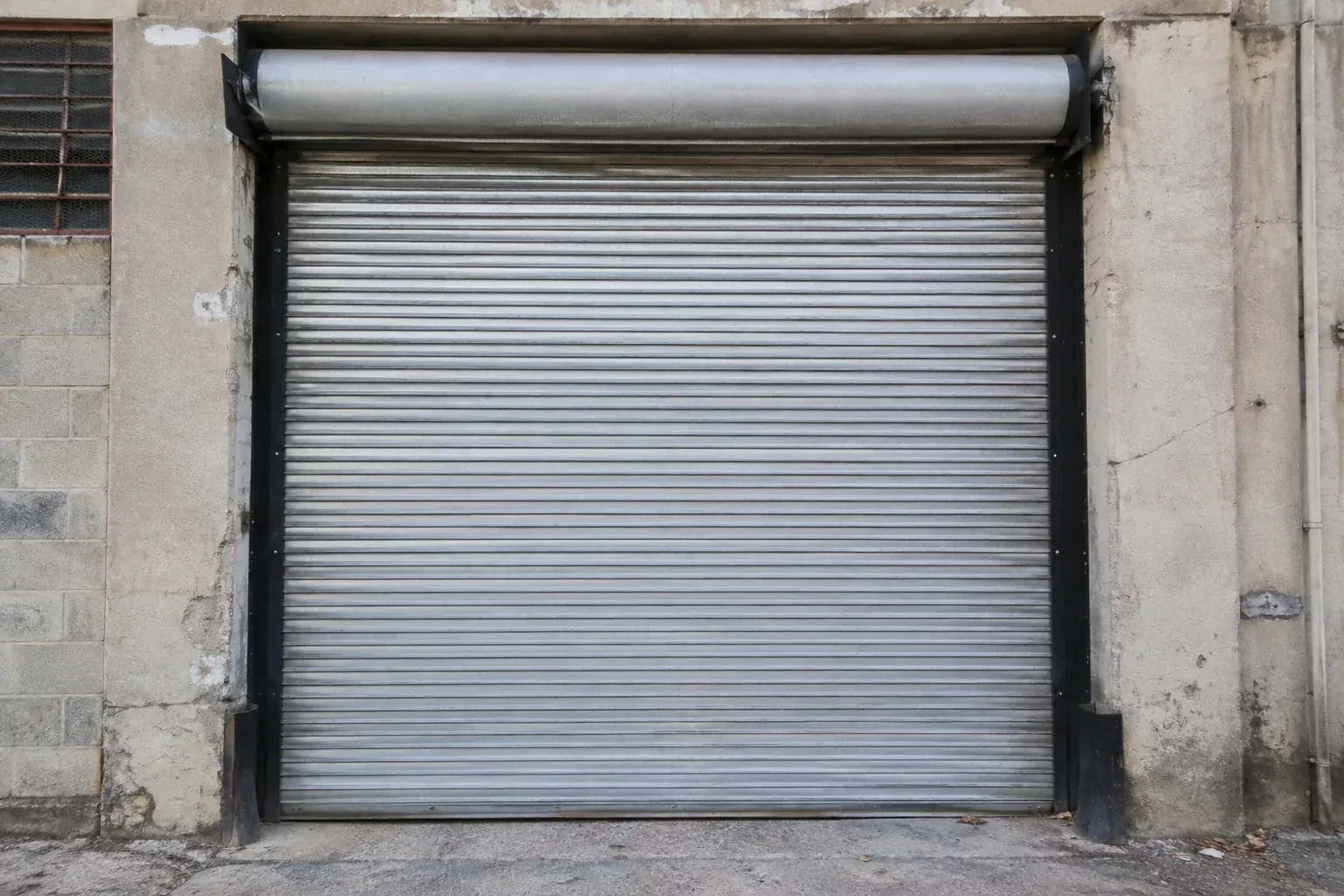
Commercial Rolling Door Repair in Moore Park
The wall control asks the door to close, but the operator hums and stops. The curtain remains overhead while the control light and the photoelectric sensors suggest that the powered system needs a connected diagnosis.
Commercial Rolling Door Repair
In plain words
Impact damage often looks local but changes the path of the entire curtain. A bowed bottom bar can spread a guide, a bent slat can pull endlocks sideways, and a struck jamb can alter the opening width. Repair begins with measurements at the guides and brackets as well as a close look at the damaged section. Serviceable slats or curtain sections can be renewed, guides realigned and fasteners restored using components that match the identified assembly. The final check watches the repaired area enter the coil, pass through both guides and meet the sill evenly.
How the visit goesThe hand chain takes far more effort than it did last month. The curtain feels heavy from the first pull, pauses around mid-travel, and settles downward instead of holding a steady position.
Moore Park
How the visit goes
Look for weather and impact patterns
Exterior openings collect evidence from their surroundings. Salt staining at the lower guides, packed grit near the sill, torn astragal, rust below a hood seam and polished marks at forklift height each tell a different story. Ice may hold the bottom bar down, while wind can press a broad curtain against its guides and change operating effort during a storm. The technician notes drainage, exposure and recurring traffic contact alongside the mechanical findings. That context helps shape a durable repair and can support practical additions such as guide guards, clearer floor markings or better threshold housekeeping.
Restore the bottom bar and closure line
The bottom of the door determines how it meets the floor, carries locks and engages a sensing edge when fitted. A twisted bar is straightened or renewed within the agreed scope, damaged retainers and astragal are replaced, and slide bolts or cylinder-lock parts are aligned only after the curtain hangs square. For a powered assembly, lock interlocks are checked so an engaged lock and an operator command cannot work against each other. The close limit is then set to bring the seal into suitable contact without crushing it, leaving the doorway even and ready for a clear locking test.
Documentation for a labelled fire door
When the assembly carries a fire-protection label, the customer receives a record that keeps ordinary operation and fire-door responsibilities connected but distinct. It identifies relevant labels, compatible repaired parts, closing-path observations and the inspection or test activity included in the authorised scope. Any release-system, alarm-interface or building-fire-plan item assigned elsewhere is named clearly. The facility can retain this with its fire-safety records and continue the inspection schedule required for closures in fire separations. Guides and the doorway remain free of storage so the door can follow its intended closing path.
Commercial Rolling Door Repair
In the van
- Bottom bar and astragal
- Roller chain and sprockets
- Hand-chain hoist components
- Operator brake and limits
- Counterbalance spring assembly
What affects the quote
Same fees day, night or weekend
1Electrical and structural coordination
Supply faults, building wiring, damaged framing or uncertain anchors may involve another responsible trade or professional. The rolling-door quote separates that coordination from authorised door-system tasks.
2Fire-protection label status
A labelled fire door needs assembly-specific component decisions, closing-path care and defined inspection or test records. Release-system and alarm-interface tasks remain visible as specialised line items.
3Powered operator repairs
Brake, motor, reduction, sprocket, roller chain, limits and internal controls are assessed separately. The operator's identity and compatibility with the balanced door guide part selection.
Commercial Rolling Door Repair: questions
Will operations have to stop around the doorway?
The opening and its adjacent traffic area need to remain controlled during inspection, repair and test cycles. Facilities often route people, lift trucks and deliveries through another path while that work is active. Planning around shipping periods, stored goods and access to both faces of the door helps define a workable service window and equipment setup.
Why does the door stop and reverse while closing?
A photoelectric beam may be blocked, a sensing edge may be active, the curtain may meet resistance, or the operator may be responding to a monitored-device or limit condition. The inspection keeps these possibilities separate. Sensor placement, alignment and response are checked alongside free mechanical travel and the operator's documented control logic.
Are photoelectric sensors and vehicle detectors the same thing?
They can serve different purposes. A monitored photoelectric device may be part of the operator's entrapment-protection system, while a higher beam, loop or other accessory may be intended to detect vehicles or support traffic flow. The installed operator information establishes each role, and added vehicle protection does not replace the primary protective device required by that system.
Installation & Upgrades
- Insulated Steel Garage Door InstallationA refreshed exterior has made the faded garage door stand out.
- Wind-Rated Garage Door ReplacementStrong gusts make the centre of your wide garage door bow inward and the rollers chatter in their…
- Carriage-House Garage Door InstallationYou appreciate the grain and depth of traditional wood doors, though regular refinishing is not…
Commercial Rolling Door Repair near you
Whatever kind of door is on your building in Moore Park, from a single wood door on an older house to a rolling steel door on a workshop, we have a service that fits it. The pages here explain what gets checked first, how the work proceeds and how to look after the result.