New Doors · Scotch Block
Commercial Rolling Door Repair in Scotch Block
The wall control asks the door to close, but the operator hums and stops. The curtain remains overhead while the control light and the photoelectric sensors suggest that the powered system needs a connected diagnosis.
Commercial Rolling Door Repair
In plain words
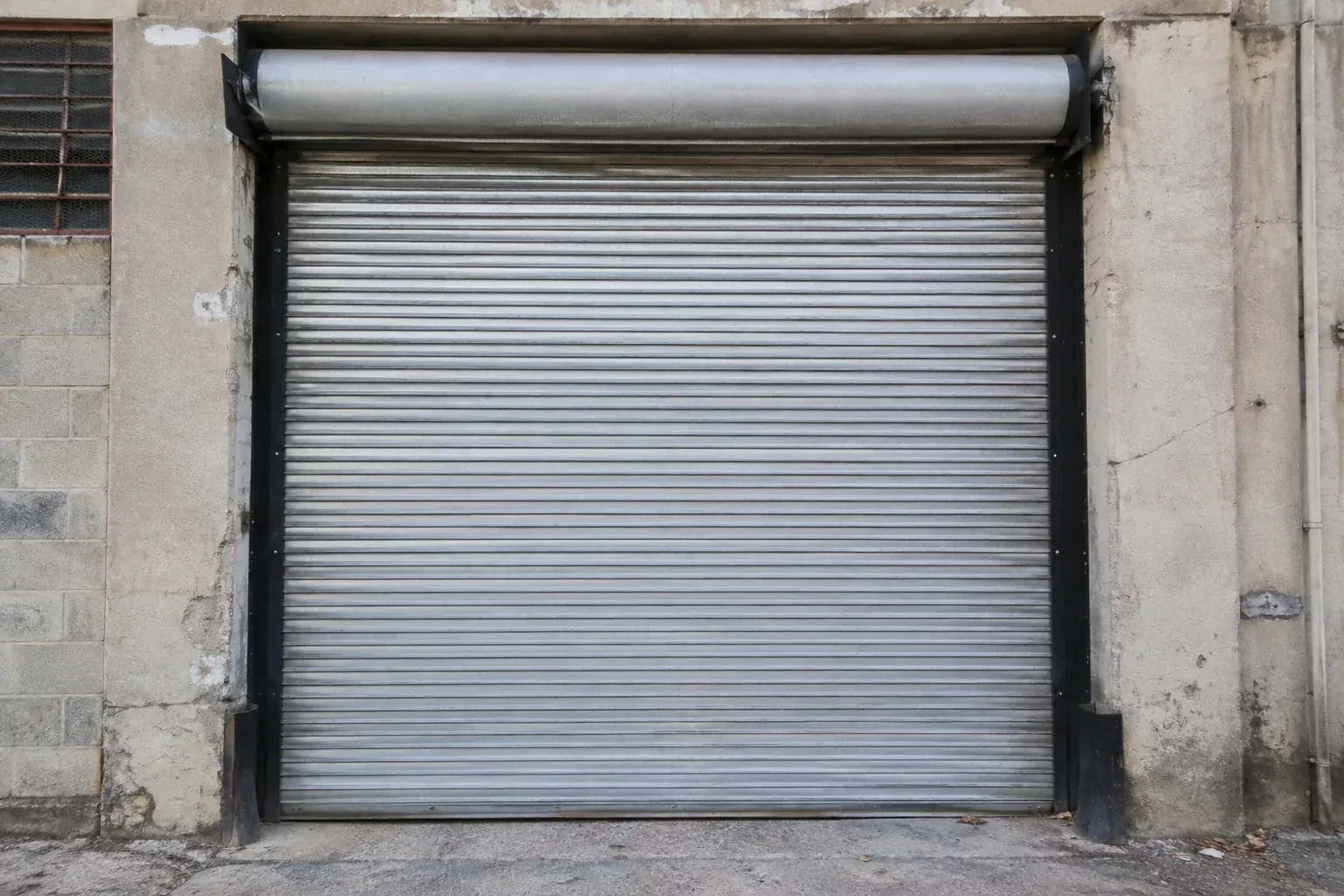
Impact damage often looks local but changes the path of the entire curtain. A bowed bottom bar can spread a guide, a bent slat can pull endlocks sideways, and a struck jamb can alter the opening width. Repair begins with measurements at the guides and brackets as well as a close look at the damaged section. Serviceable slats or curtain sections can be renewed, guides realigned and fasteners restored using components that match the identified assembly. The final check watches the repaired area enter the coil, pass through both guides and meet the sill evenly.
How the visit goesThe wall control asks the door to close, but the operator hums and stops. The curtain remains overhead while the control light and the photoelectric sensors suggest that the powered system needs a connected diagnosis.
Scotch Block
How the visit goes
Follow the powered control chain
For a motor-operated door, the assessment moves from command to motion in a defined sequence. The control station, key switch or access input is observed; lock and pass-door interlocks are checked where present; then the operator brake, drive, limits and manual hoist or disconnect are reviewed. Photoelectric sensors and sensing edges are identified by function rather than assumed to be interchangeable. Their mounting, wiring condition, alignment and response are checked against the operator information. This approach shows whether a stopping complaint comes from protective logic, a control fault, limit setting or resistance in the door itself.
Restore the bottom bar and closure line
The bottom of the door determines how it meets the floor, carries locks and engages a sensing edge when fitted. A twisted bar is straightened or renewed within the agreed scope, damaged retainers and astragal are replaced, and slide bolts or cylinder-lock parts are aligned only after the curtain hangs square. For a powered assembly, lock interlocks are checked so an engaged lock and an operator command cannot work against each other. The close limit is then set to bring the seal into suitable contact without crushing it, leaving the doorway even and ready for a clear locking test.
Better contact at the weather line
Where sealing work was included, the renewed astragal follows the sill with consistent contact and the curtain closes without pressing the seal flat. Staff can preserve it by clearing abrasive grit, packaging and frozen buildup before cycling the door. Drainage near the opening should direct meltwater away from the bottom bar, and sensor faces benefit from a gentle wipe after salt spray. The service notes identify the lubricant and cleaning approach suited to the installed product. These routines support smooth winter movement and help the lower curtain, guides and fasteners remain easy to inspect.
Commercial Rolling Door Repair
In the van
- Bottom bar and astragal
- Roller chain and sprockets
- Hand-chain hoist components
- Operator brake and limits
- Counterbalance spring assembly
What affects the quote
Same fees day, night or weekend
1Access above the opening
Ceiling height, hood location, stored goods, mezzanines and nearby services affect safe reach to brackets, barrel and operator. Lifts, platforms and material-handling arrangements are planned accordingly.
2Guide and jamb condition
The quote reflects guide straightening or replacement, wall-angle fasteners and measured alignment. Moved masonry, steel framing or a struck jamb can add separately responsible building work.
3Manual drive components
Direct push-up operation, a hand-chain hoist or another manual drive has its own chain, wheel, reduction and keeper parts. Wear and accessibility determine the tasks included.
Commercial Rolling Door Repair: questions
Will operations have to stop around the doorway?
The opening and its adjacent traffic area need to remain controlled during inspection, repair and test cycles. Facilities often route people, lift trucks and deliveries through another path while that work is active. Planning around shipping periods, stored goods and access to both faces of the door helps define a workable service window and equipment setup.
Why does the door stop and reverse while closing?
A photoelectric beam may be blocked, a sensing edge may be active, the curtain may meet resistance, or the operator may be responding to a monitored-device or limit condition. The inspection keeps these possibilities separate. Sensor placement, alignment and response are checked alongside free mechanical travel and the operator's documented control logic.
Are photoelectric sensors and vehicle detectors the same thing?
They can serve different purposes. A monitored photoelectric device may be part of the operator's entrapment-protection system, while a higher beam, loop or other accessory may be intended to detect vehicles or support traffic flow. The installed operator information establishes each role, and added vehicle protection does not replace the primary protective device required by that system.
Installation & Upgrades
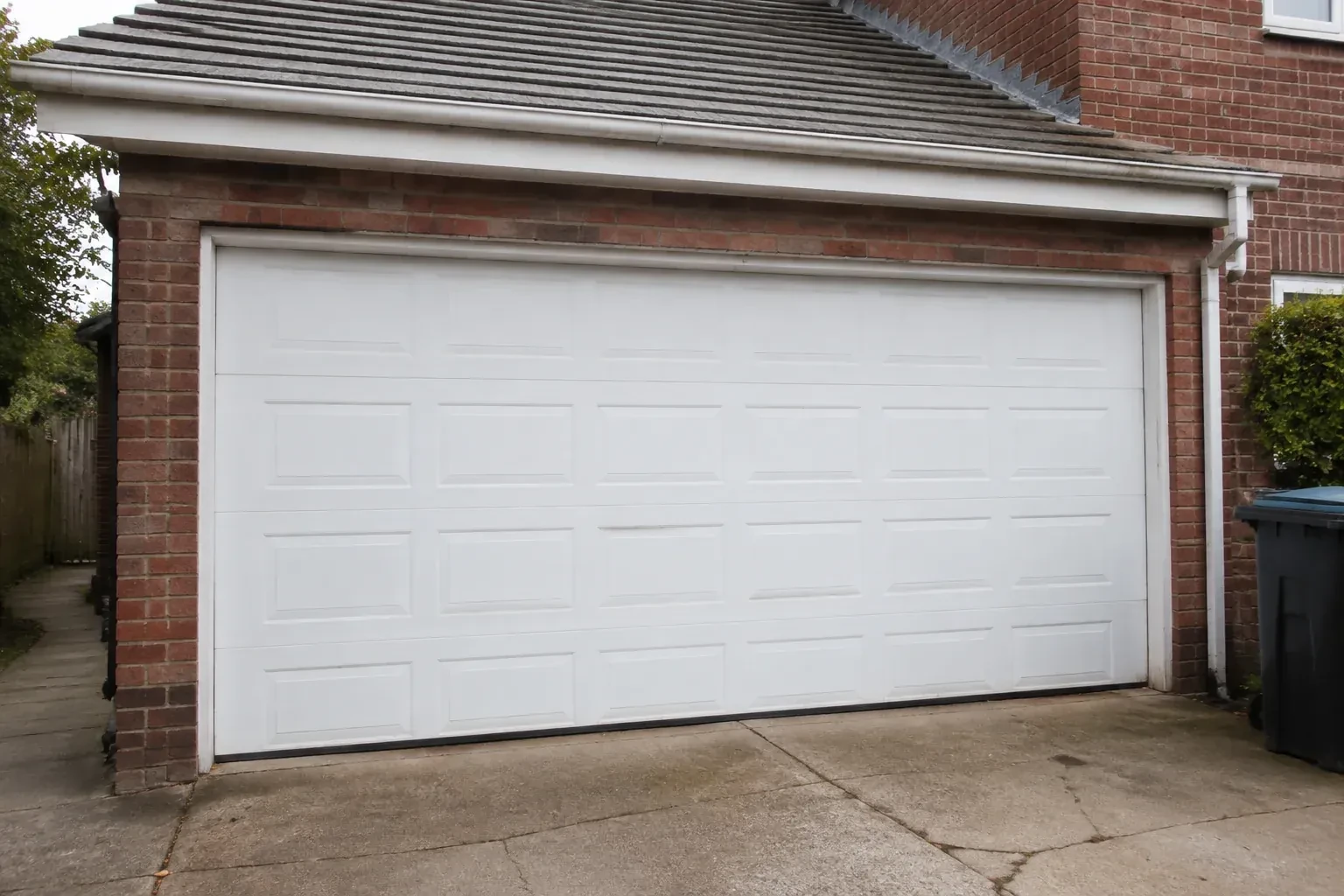
- Insulated Steel Garage Door InstallationA refreshed exterior has made the faded garage door stand out.
- Wind-Rated Garage Door ReplacementStrong gusts make the centre of your wide garage door bow inward and the rollers chatter in their…
- Carriage-House Garage Door InstallationYou appreciate the grain and depth of traditional wood doors, though regular refinishing is not…
Commercial Rolling Door Repair near you
A garage door in Scotch Block rarely fails all at once. It gets louder, slower or less even first. Our services are arranged so you can act at any point: a tune-up while it is still working, a repair when something lets go, or a replacement when the door has earned its retirement.